
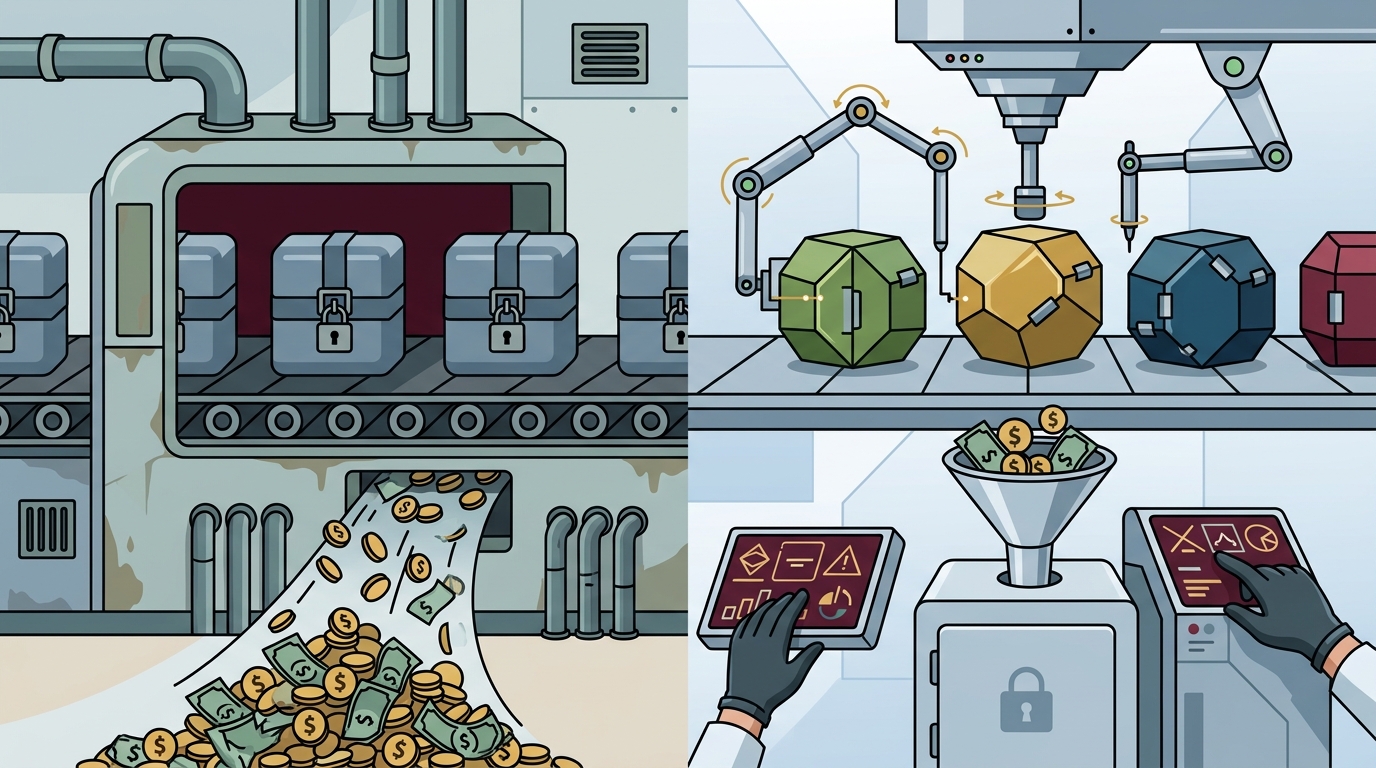
Traditional insurance models often force businesses into rigid coverage boxes that rarely align with their actual operational risks. According to recent industry data, companies using standardized policies frequently overpay by up to 30% on premiums for coverage they do not need. This financial inefficiency stems from a fundamental mismatch between generic risk assessment models and the unique realities of modern business operations. Understanding the cost-effectiveness of custom insurance pricing versus off-the-shelf coverage models is critical for optimizing your bottom line.
Understanding the Basics of Coverage Models
To make an informed decision, you must first define the core differences between these two approaches. Off-the-shelf insurance is a standardized product designed for a broad audience with similar risk profiles. These policies are mass-produced to minimize administrative costs for the insurer. They rely on generalized data sets to determine premiums, which means individual nuances are often ignored. (Sample Page 8211 Acturion)
In contrast, custom insurance pricing is a tailored approach where premiums and coverage limits are calculated based on specific business operations. This model requires a deeper analysis of your assets, liabilities, and operational workflows. The goal is to align the cost of insurance directly with the actual risk exposure of your organization. This alignment is where the potential for significant cost savings lies.
Acturion Group specializes in navigating these complex landscapes. By analyzing your unique operational data, we help businesses move away from generic solutions. Our approach ensures that every dollar spent on insurance contributes directly to protecting your specific assets. For more insights on our methodology, visit our company overview page.
The Hidden Costs of Off-the-Shelf Policies
While off-the-shelf policies appear cheaper initially, they often carry hidden costs that erode their value over time. The primary issue is the "one-size-fits-all" nature of these products. They are designed to cover the average case, not the specific case. This leads to two major financial inefficiencies: over-insurance and under-insurance.
Over-insurance occurs when you pay for coverage limits or riders that your business will never utilize. For example, a tech startup might pay for extensive property coverage that is irrelevant to their digital-first model. This wasted premium is a direct drain on cash flow that could be better invested in growth initiatives. Data shows that many small businesses carry redundant coverage simply because they lack the expertise to customize their policies.
Conversely, under-insurance happens when a standardized policy fails to cover specific, high-value risks unique to your industry. When a claim arises that falls outside the narrow scope of the off-the-shelf policy, the business bears the full financial burden. This can lead to catastrophic losses that standard policies do not address. The cost of a single uncovered claim often far exceeds the premium savings gained from choosing a generic policy.
Understanding these pitfalls is essential for long-term financial health. You can explore our product offerings to see how we mitigate these risks through tailored solutions.
Benefits of Custom Insurance Pricing
Custom insurance pricing offers a strategic advantage by aligning costs with actual risk. This model allows for precise adjustments in coverage limits, deductibles, and exclusions. The result is a policy that acts as a financial shield rather than a blanket constraint.
One of the most significant benefits is premium optimization through risk mitigation incentives. Insurers are often willing to offer lower rates to businesses that demonstrate robust risk management practices. Custom policies can incorporate these incentives, rewarding proactive safety measures with tangible cost reductions. This creates a positive feedback loop where better risk management leads to lower insurance costs.
Additionally, custom pricing allows for flexible coverage adjustments as your business evolves. Standard policies are rigid and difficult to modify without significant penalties or new underwriting processes. Custom policies can be updated dynamically to reflect changes in revenue, asset value, or operational scope. This agility ensures that your insurance remains a relevant and cost-effective tool throughout your business lifecycle.
For businesses seeking this level of precision, our customer service team is equipped to guide you through the customization process. We ensure that your policy reflects the true nature of your operations.
Cost Comparison: Custom vs. Standard
When comparing the cost-effectiveness of these two models, it is crucial to look beyond the initial premium quote. The total cost of ownership includes claims handling, coverage gaps, and administrative overhead. The table below summarizes the key differences.
| Factor | Off-the-Shelf Coverage | Custom Insurance Pricing |
|---|---|---|
| Initial Premium | Lower, based on average risk | Higher, based on specific risk |
| Coverage Precision | Generic, potential gaps | Tailored, comprehensive |
| Claims Flexibility | Strict adherence to policy terms | Negotiated terms, case-by-case |
| Long-Term Value | Low, due to overpayment | High, due to optimization |
| Administrative Ease | High, automated processing | Medium, requires expert oversight |
As the table illustrates, the initial cost advantage of off-the-shelf policies is often illusory. When you factor in the cost of uncovered risks and the inefficiency of paying for unused coverage, custom pricing frequently emerges as the more economical choice. According to industry benchmarks, businesses that switch to customized models often see a net reduction in total risk costs within the first two years. This trend is supported by data from leading risk management associations.
For a deeper dive into our specialized services, please visit our special sales page. We offer tailored packages designed to maximize value for complex business needs.
Key Takeaways
- Overpayment is Common: Standard policies often lead to over-insurance, with businesses paying for coverage they do not need.
- Risk Alignment: Custom insurance pricing aligns premiums directly with your specific operational risks, ensuring fair cost distribution.
- Flexibility Matters: Custom policies allow for dynamic adjustments as your business grows, unlike rigid off-the-shelf contracts.
- Hidden Costs: The true cost of off-the-shelf insurance includes potential coverage gaps and high deductibles for specific claims.
- Expert Guidance: Navigating custom pricing requires specialized knowledge, which is why partnering with experts like Acturion Group is vital.
- Long-Term Savings: While initial premiums may be higher, the long-term value of customized coverage often results in significant net savings.
- Risk Mitigation: Custom policies can incorporate incentives for risk management, further reducing overall insurance costs.
Frequently Asked Questions
Is custom insurance pricing always more expensive?
Not necessarily. While the initial premium may appear higher due to the specificity of the coverage, the total cost of ownership is often lower. This is because you are not paying for redundant coverage and are better protected against high-cost claims that standard policies might exclude.
How does Acturion Group determine custom premiums?
We analyze your specific operational data, risk history, and industry benchmarks. This detailed assessment allows us to calculate a premium that accurately reflects your risk profile, ensuring you pay a fair price for the protection you need.
Can I switch from off-the-shelf to custom insurance?
Yes, businesses can transition to custom insurance at any time. It is important to review your current policy for cancellation terms and ensure there is no gap in coverage during the transition. Our team can assist with this process to ensure continuity.
What types of businesses benefit most from custom pricing?
Businesses with unique operational risks, such as specialized manufacturing, tech startups with intellectual property concerns, or companies with complex supply chains, benefit most. Standard policies often fail to capture the nuances of these industries.
How long does it take to set up a custom policy?
The timeline varies based on the complexity of your business. However, our streamlined process typically allows for policy finalization within a few weeks. We prioritize efficiency to ensure your business is protected without unnecessary delays.
Does custom insurance cover all types of risks?
Custom insurance can be tailored to cover a wide range of risks specific to your business. However, certain exclusions may still apply based on industry standards and insurability. We work with you to identify and address as many risks as possible.
Where can I learn more about your services?
You can learn more about our approach by visiting our contract sales page or contacting our customer service department directly for a consultation.
Secure Your Business Future
Stop overpaying for generic coverage that does not fit your business. Acturion Group is ready to help you transition to a custom insurance pricing model that offers true cost-effectiveness and comprehensive protection. Our team of experts is prepared to analyze your needs and provide a tailored solution that aligns with your financial goals. Visit our homepage to start your journey toward smarter insurance today.